

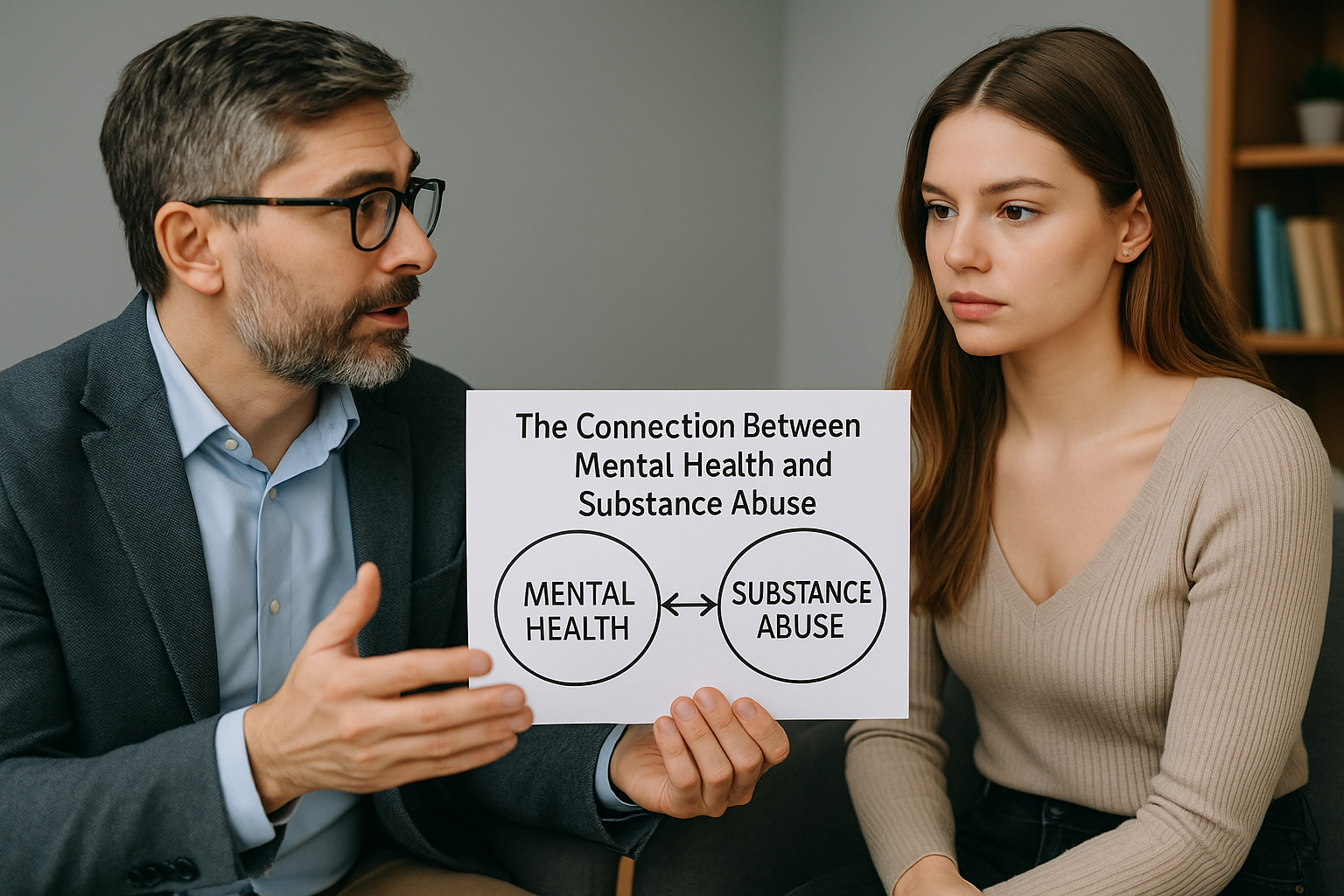
Addiction rarely affects only one part of a person’s life. Alongside alcohol or drug use, someone may be dealing with anxiety, depression, unresolved trauma, chronic stress, or other mental health concerns. These challenges can influence one another, making recovery more difficult when only the substance use is addressed. That is why treatment that considers mental health and substance use together can make such an important difference. By looking at the full picture, individuals can better understand the factors behind their substance use, develop healthier coping strategies, and build a more stable foundation for lasting recovery.
Understanding the Connection Between Mental Health and Addiction
Mental health concerns and substance use disorders often occur together. This is sometimes called a co-occurring disorder or dual diagnosis. It describes a situation in which someone experiences both a substance use disorder and a mental health condition.
The relationship between these challenges can be complicated. A person experiencing depression may turn to alcohol or drugs to temporarily escape difficult emotions. Someone living with anxiety may use substances in an attempt to feel calmer or more comfortable in social situations. Over time, however, substance use can worsen emotional distress and create additional problems.
The connection can also work in the opposite direction. Long-term substance use may contribute to changes in mood, sleep, concentration, and emotional regulation. It can make existing mental health symptoms harder to manage and create new difficulties in relationships, employment, and everyday responsibilities.
Understanding this relationship is an important part of effective addiction treatment.
Why Treating Addiction Without Addressing Mental Health Can Be Challenging
When treatment focuses exclusively on stopping substance use, important underlying concerns may remain unresolved. Even when someone makes progress toward sobriety, untreated emotional or psychological difficulties can continue to affect daily life.
Unaddressed Symptoms Can Increase the Risk of Relapse
Recovery involves more than avoiding alcohol or drugs. It also requires learning how to respond to difficult emotions, stressful situations, and unexpected challenges.
If someone has been using substances to manage anxiety, loneliness, grief, or depression, those feelings may become especially difficult to handle when substance use stops. Without healthier coping skills and appropriate mental health support, returning to familiar patterns may seem like the easiest way to find relief.
Substance Use Can Hide Underlying Mental Health Concerns
Alcohol and drugs can temporarily change how a person feels. As a result, someone may not immediately recognize the emotional or psychological concerns contributing to their substance use.
For example, a person who regularly drinks to manage social anxiety may focus on the drinking itself without recognizing the anxiety that drives the behavior. A thorough assessment can help identify these overlapping concerns and determine what type of support may be appropriate.
Daily Responsibilities and Relationships May Suffer
Mental health difficulties and substance use can affect communication, decision-making, motivation, and personal relationships. Someone may withdraw from family, struggle at work, or lose interest in activities they previously enjoyed.
Addressing both concerns helps treatment consider these real-life effects rather than focusing on substance use in isolation.
What Integrated Addiction and Mental Health Treatment Looks Like
Integrated treatment brings substance use support and mental health care into a coordinated plan. Instead of treating each concern as completely separate, providers consider how the conditions interact and how one may affect progress in the other.
The specific approach depends on a person’s circumstances, symptoms, substance use history, and treatment needs.
Comprehensive Assessment and Individualized Planning
The process often begins with an assessment of substance use patterns, emotional health, medical history, personal circumstances, and recovery goals.
This helps identify concerns that may require additional attention. A person experiencing persistent depression, for example, may benefit from mental health evaluation alongside addiction counseling. Someone with a history of trauma may need treatment that recognizes how past experiences influence present behavior.
An individualized treatment plan can then establish realistic goals and identify suitable services. As circumstances change, the plan may also need to be adjusted.
Counseling and Behavioral Therapy
Counseling can help individuals understand the thoughts, emotions, and situations connected to substance use. It also provides an opportunity to develop practical strategies for responding to triggers.
Depending on the person’s needs, treatment may include approaches such as cognitive behavioral therapy (CBT), motivational interviewing, individual counseling, or group support.
These approaches can help individuals:
- Recognize situations and emotions that increase the urge to use substances.
- Identify unhelpful thinking patterns and replace them with healthier responses.
- Improve communication and relationship skills.
- Develop strategies for managing stress and emotional discomfort.
- Strengthen motivation and confidence throughout recovery.
Therapy is not about assigning blame. It is about understanding patterns and learning more effective ways to respond to life’s challenges.
Coordinated Mental Health Support
Some individuals may need additional evaluation or treatment for conditions such as anxiety, depression, or post-traumatic stress disorder. Mental health professionals can help determine which interventions are appropriate.
In certain circumstances, medication may be part of a treatment plan. Medication decisions should be made by qualified healthcare professionals who understand the individual’s substance use history, current symptoms, and other health considerations.
Coordination between addiction and mental health providers can help prevent conflicting treatment recommendations and ensure that important concerns are not overlooked.
Choosing the Right Level of Addiction Treatment
Not everyone needs the same level of care. Treatment recommendations should reflect the severity of substance use, mental health symptoms, physical health, safety concerns, and available support at home.
Outpatient Treatment
Outpatient addiction treatment allows individuals to attend scheduled counseling, assessments, and treatment sessions while continuing many everyday responsibilities. This option may be appropriate for people whose clinical needs can be safely managed without round-the-clock supervision.
Intensive outpatient programs offer more structured support through more frequent sessions while still allowing participants to live outside a treatment facility.
For individuals balancing work, education, or family responsibilities, outpatient care may provide a practical way to receive professional help while maintaining important routines.
Inpatient or Residential Treatment
Inpatient or residential treatment provides a more structured environment for individuals who require a higher level of supervision and support. Depending on the program, services may include medical monitoring, structured therapy, and coordinated care.
A qualified professional can help determine whether inpatient treatment, residential care, or an outpatient option is appropriate. People experiencing severe withdrawal symptoms, serious medical complications, or an immediate safety concern may require urgent medical evaluation rather than routine outpatient care.
The goal is to find a level of treatment that addresses the person’s needs safely and effectively.
The Role of Holistic, Faith-Based, and Individualized Approaches
Recovery involves physical, emotional, psychological, and social well-being. For that reason, some treatment plans incorporate supportive activities and personal practices alongside clinical care.
A holistic approach may consider sleep, nutrition, physical activity, stress management, and healthy daily routines. These areas can support general well-being and help individuals establish more consistent habits during recovery.
Faith-based support may also be meaningful to people who want their spiritual beliefs to play a role in their recovery. Prayer, spiritual reflection, or participation in a faith community can provide a sense of purpose and connection when these options align with personal values.
However, these approaches should complement appropriate clinical treatment rather than replace professional addiction or mental health care.
Most importantly, treatment should respect individual preferences. What works well for one person may not be suitable for another. Personal history, cultural background, family circumstances, and recovery goals should all be considered when developing a plan.
Building a Stronger Foundation for Long-Term Recovery
Completing an initial course of addiction treatment is an important achievement, but recovery continues beyond formal sessions. Ongoing support can help individuals apply what they have learned and respond to challenges as they arise.
Develop Healthy Ways to Manage Stress
Stress is a common trigger for substance use. Regular exercise, consistent sleep, relaxation techniques, creative activities, and supportive conversations can help people manage difficult periods without returning to substances.
Maintain Supportive Relationships
Family members, trusted friends, peer support groups, and recovery communities can provide encouragement and accountability. Rebuilding relationships may take time, especially when substance use has caused conflict or broken trust. Open communication and clear boundaries can help create healthier connections.
Continue Addressing Mental Health Needs
Mental health care should not automatically end when someone stops using substances. Continued counseling, appropriate medical follow-up, and other recommended support can help individuals maintain emotional stability.
If symptoms change or become more difficult to manage, it is important to speak with a qualified professional and review the treatment plan.
Take the Next Step Toward Complete Recovery
When addiction and mental health concerns occur together, treating only one part of the problem may leave important needs unanswered. Integrated addiction treatment offers a more complete way to understand the challenges behind substance use while helping individuals develop the skills needed for meaningful, lasting change.
Seeking help does not require having every answer or knowing exactly what kind of treatment is needed. A professional assessment can be a valuable starting point for understanding available options and identifying an appropriate level of care.
If substance use is affecting your health, relationships, or peace of mind, consider reaching out to Resolutions Substance Abuse Services to ask about assessment and treatment options. You deserve support that takes your experiences seriously and recognizes that recovery involves more than stopping substance use. With the right guidance and a plan built around your needs, a healthier future can become a realistic goal.

Recent Comments