

As addiction rates continue to rise and the nature of substance use evolves, support centers are stepping up with new and innovative approaches to treatment. The future of addiction recovery is no longer limited to traditional group therapy or 12-step programs. Today’s support centers are embracing cutting-edge technologies, holistic healing methods, and personalized care models that meet people where they are and empower them to achieve lasting recovery.
Technology Meets Treatment
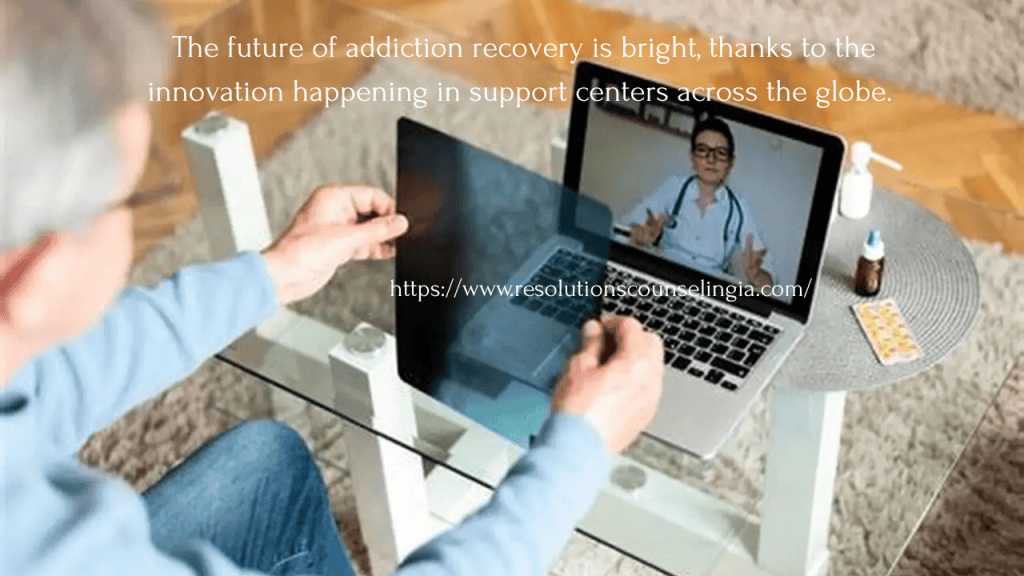
One of the most significant innovations shaping the future of addiction recovery is the integration of technology. Telehealth has revolutionized access to care, allowing individuals to receive counseling, therapy, and support group services from the comfort of their homes. This has been especially critical for those in rural or underserved areas, or for individuals with mobility and transportation issues.
Mobile apps are also playing a growing role in recovery. From daily check-ins and mood tracking to guided meditations and relapse prevention tools, these digital platforms give individuals round-the-clock support. Some centers even use wearable devices to monitor stress levels and alert both the individual and care team when intervention might be needed.
Personalized and Data-Driven Care
Gone are the days of one-size-fits-all treatment plans. Modern support centers are now utilizing data analytics and assessment tools to develop personalized recovery paths. By collecting information on a client’s history, co-occurring disorders, and lifestyle, centers can tailor therapy types, medication-assisted treatment (MAT), and support services to what will work best for each person.
Additionally, outcome tracking tools help centers monitor progress in real-time, allowing for adjustments and early interventions if a relapse risk is detected. This dynamic approach ensures that recovery care is responsive and continuously evolving to meet individual needs.
Holistic and Integrative Approaches
As understanding of addiction deepens, recovery centers are incorporating a wide range of holistic treatments that address the whole person—mind, body, and spirit. In addition to traditional therapy, many centers now offer:
- Mindfulness and meditation practices to reduce anxiety and improve emotional regulation
- Nutrition and fitness programs to rebuild physical health and wellness
- Art, music, and equine therapy to help individuals process emotions creatively
- Spiritual counseling or alternative healing modalities, such as acupuncture or energy work
These integrative therapies offer individuals additional tools to manage stress, rebuild self-esteem, and reconnect with a sense of purpose.
Peer Support and Recovery Communities
Support centers of the future continue to place high value on peer support. However, innovation is expanding how these connections are made. Virtual peer networks, online recovery communities, and recovery coaches who stay connected via apps or text messaging provide flexible support systems that are always within reach.
Some centers are even developing alumni networks that help clients stay engaged long after formal treatment ends—fostering lifelong connections and support.
Conclusion
The future of addiction recovery is bright, thanks to the innovation happening in support centers across the globe. With a focus on technology, personalization, holistic healing, and community, modern centers are better equipped than ever to help individuals not just recover—but thrive. As these advancements continue, recovery will become more accessible, effective, and compassionate for all.

Recent Comments